World’s Fairs: From Industrial Marvels to Global Showcases
- Jennifer King
- Mar 22
- 3 min read

Updated: Apr 4
World’s fairs, also known as international expositions, have long captured the imagination of millions. These grand events blend innovation, culture, and spectacle, offering a snapshot of human progress at a particular moment in time. From the steam-powered wonders of the 19th century to today’s immersive, tech-driven exhibitions, world’s fairs have evolved alongside society itself.
Early Fairs
The story of world’s fairs begins in the mid-19th century, during a period of rapid industrial growth and global curiosity. The first official world’s fair, the Great Exhibition of 1851, was held in London’s iconic Crystal Palace. Organized under the patronage of Prince Albert, the exhibition showcased industrial machinery, scientific inventions, and cultural artifacts from around the globe.
At its core, the Great Exhibition was a celebration of progress. It demonstrated how far humanity had come during the Industrial Revolution and emphasized the power of innovation to improve everyday life. Visitors marveled at steam engines, mechanical looms, and new manufacturing techniques, all under one enormous glass-and-iron structure that itself symbolized modern engineering.
This event established the blueprint for future fairs. Nations would gather to display their achievements, compete for prestige, and inspire visitors with visions of the future. Soon after, other countries began hosting their own exhibitions.
By the end of the century, world’s fairs had become major international events, attracting millions of visitors and leaving behind lasting landmarks like the Eiffel Tower, built for the 1889 Paris Exposition.
Three Eras of Fairs
Before WWII, fairs focused heavily on industry, technology, and scientific advancement. These events were, in many ways, giant exhibitions of machinery and manufacturing capability. Countries used them to demonstrate economic strength and technological superiority, often introducing groundbreaking inventions such as early telephones, electric lighting, and even moving walkways for the first time.
The 1897 Brussels International Exposition (the setting for Sargent’s Deadly Commission) centered on the theme of modern life. This fair reflected a shift in focus: rather than showcasing only machines, it explored how industrialization was transforming everyday living. Exhibits highlighted urban development, design, and the changing rhythms of modern society, offering visitors a glimpse into what the future might look like.
From the mid to the late 20th century, world’s fairs increasingly emphasized international cooperation and cultural understanding through themes centered on peace, humanity, and shared global challenges. This period marked a turning point: world’s fairs became less about proving superiority and more about fostering connection.
In the modern era, world’s fairs have taken on yet another role. Countries now use these events as platforms to shape their global image, attract tourism, and promote economic investment. Today’s expos are highly curated experiences. National pavilions often feature cutting-edge architecture, interactive exhibits, and immersive storytelling designed to leave a lasting impression. Themes tend to focus on global challenges such as sustainability, urbanization, and innovation.
One of the most notable examples is Expo 2020 Dubai (held from 2021 to 2022 due to the pandemic). With the theme “Connecting Minds, Creating the Future,” the expo brought together over 190 countries and focused on sustainability, mobility, and opportunity. The event featured futuristic pavilions, AI-driven exhibits, and discussions about climate change and global cooperation. It was not only a celebration of innovation but also a reflection of the challenges facing the modern world.
Expo 2015 Milan centered on food sustainability with the theme “Feeding the Planet, Energy for Life.” This fair highlighted issues such as global hunger, agricultural innovation, and environmental responsibility.
What’s striking about these recent fairs is how they blend spectacle with substance. They remain visually impressive, but their core mission has shifted toward addressing real-world problems and inspiring collective action. Future expos are expected to continue exploring urgent global topics while integrating advanced technologies like virtual reality, smart cities, and renewable energy solutions.
The Legacy of World’s Fairs
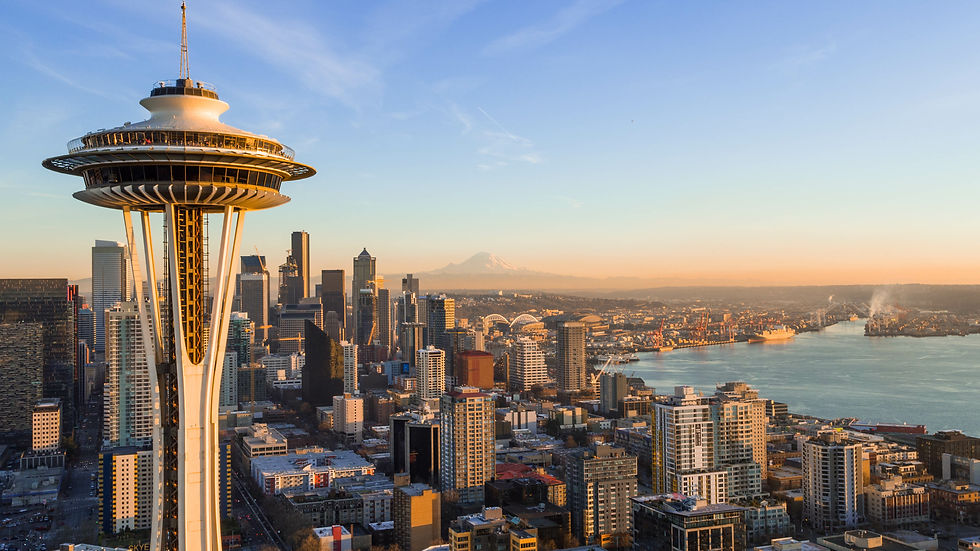
The legacy of world’s fairs is both tangible and intangible. On a physical level, many fairs have left behind iconic landmarks and infrastructure that continue to define cities today. The Eiffel Tower in Paris, the Space Needle in Seattle, and Atomium in Brussels all originated as fair structures and have since become enduring symbols.
But perhaps the more profound legacy lies in their influence on society. World’s fairs have introduced new technologies, shaped public perception of innovation, and inspired generations to imagine what the future could look like. In a world that often feels divided, these events remind us of what we can achieve when we come together.
If you could go to a world fair, where would you want it to be? Drop me a comment below.
Discover more: There are plenty of books and other resources about individual fairs, but here's a book on all fairs, Fair World: A History of World's Fairs and Expositions from London to Shanghai 1851 to 2010.


Comments